
Science Overview
What is Far-UVC?
Understanding 222nm Far-UVC Technology for Occupied Indoor Spaces
Far-UVC is an advanced form of germicidal ultraviolet light that continuously inactivates airborne and surface microorganisms using a precise wavelength of light known as 222 nanometers (nm).
Unlike conventional UV-C systems that are typically used only in unoccupied rooms, properly filtered Far-UVC technology is designed for continuous use in occupied commercial spaces such as offices, schools, restaurants, athletic facilities, public transportation, and other critical spaces where the need for non-stop environmental control is required.
Far-UVC technology is increasingly recognized as an important new tool for improving indoor environmental hygiene and reducing microbial contamination in real time.
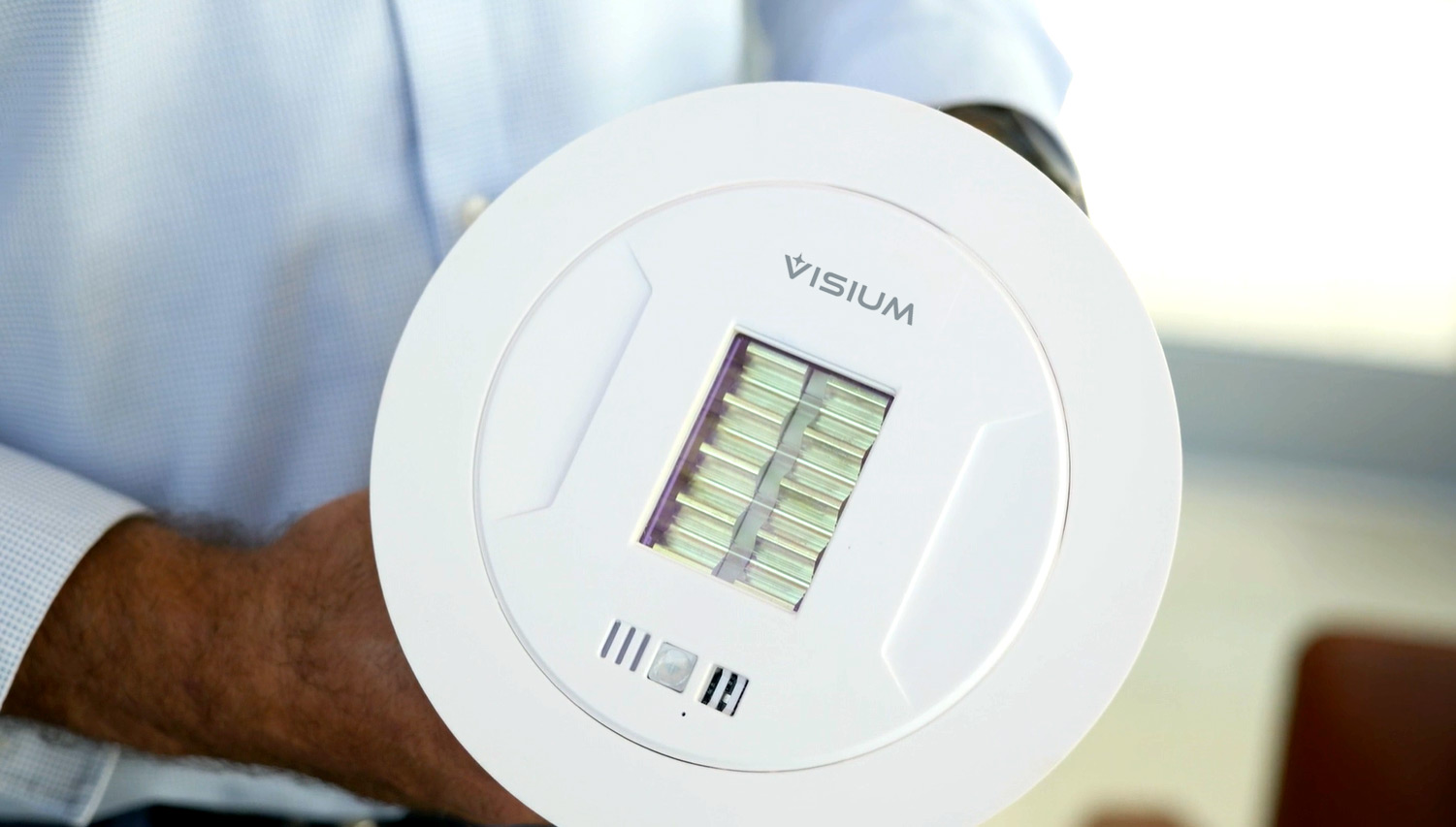
Today, Visium Far-UVC is installed and supporting cleaner indoor environments in a wide variety of industry applications including classrooms and childcare centers, in professional athletic facilities, in manufacturing centers and offices, and in livestock and veterinary applications.
The Evolution of UV-C
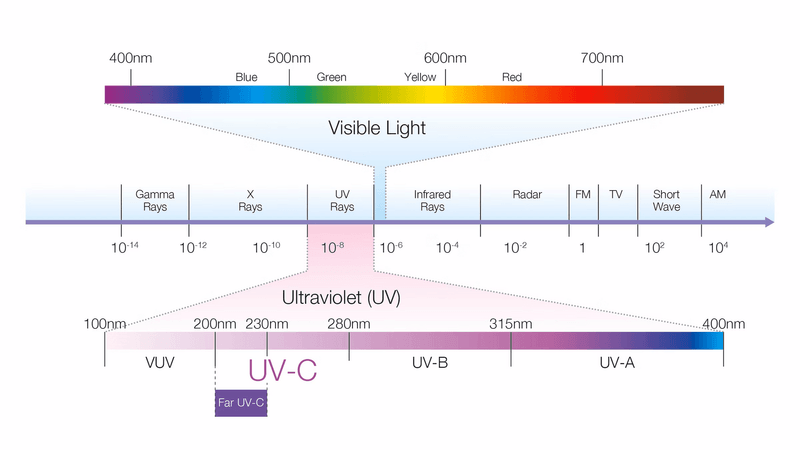
Most people are familiar with ultraviolet light in the form of UV-A and UV-B, the wavelengths naturally produced by the sun. Less well known is UV-C, a shorter ultraviolet wavelength that is largely filtered by the Earth’s atmosphere before reaching the earth’s surface.
For more than 100 years, scientists have used artificial UV-C light for germicidal applications because of its ability to disrupt the DNA and RNA of microorganisms, preventing them from replicating and spreading.
This process is why UV-C is commonly referred to as germicidal ultraviolet light.
All wavelengths within the UV-C spectrum (200–280 nm) can inactivate bacteria and viruses. However, research has identified a unique advantage at the shorter end of the spectrum, below approximately 230 nm.
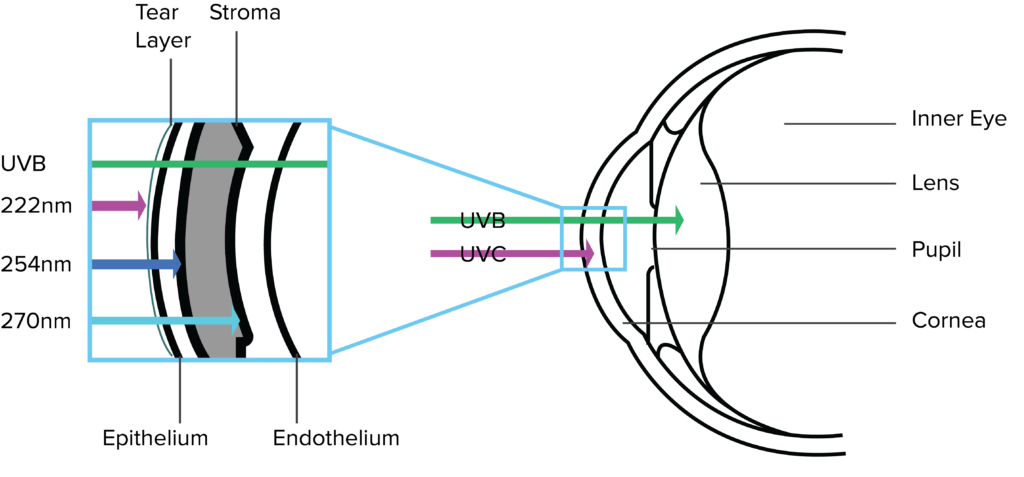
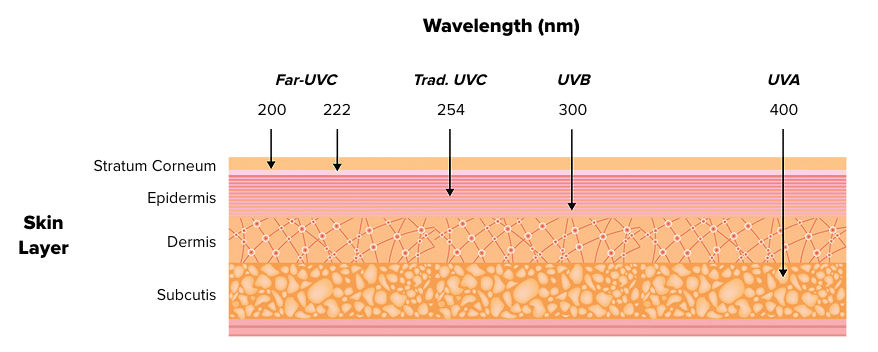
At 222 nm, Far-UVC light has an extremely limited penetration depth and cannot penetrate the outer dead-cell layer of human skin or the protective tear layer of the eye. This scientific discovery opened the door to continuous germicidal UV operation in occupied spaces
How Far-UVC Works
Far-UVC light continuously inactivates bacteria and viruses by disrupting their genetic material.
Unlike traditional chemical disinfectants that depend on surface contact and periodic application, Far-UVC technology works continuously in the background to reduce microbial accumulation in the air and on surfaces throughout the day.
Because microorganisms are microscopic in size, 222nm Far-UVC light can penetrate and inactivate them efficiently. Human skin and eye tissue, however, are naturally protected by outer biological layers that absorb the wavelength before it can reach living cells.
This enables continuous pathogen reduction without disrupting workflow, producing chemical residue, or requiring room vacancy during operation when systems are properly installed and operated within established exposure guidelines.
How Visium Far-UVC Inactivates Microbes
Visium emits Far-UVC which penetrates microbes and damages their DNA, RNA and proteins, preventing them from replicating and causing harm. Visium devices emit 222nm Far-UVC light that safely and continuously inactivates bacteria and viruses in the air and on surfaces.
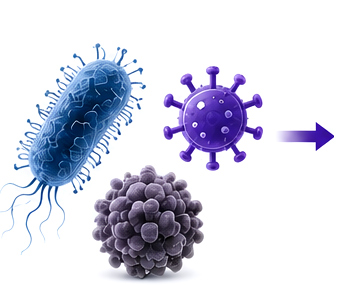
1: Microbes Present
Bacteria and viruses are present in the air or on surfaces.
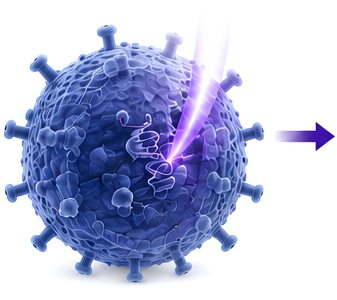
2: Far-UVC Exposure
222nm Far-UVC light penetrates microbes.
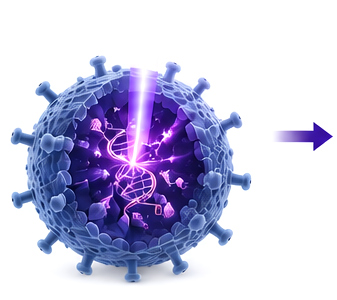
3: Genetic Material Disrupted
Far-UVC energy is absorbed by the DNA, RNA and proteins, causing damage that stops the microbe from functioning.
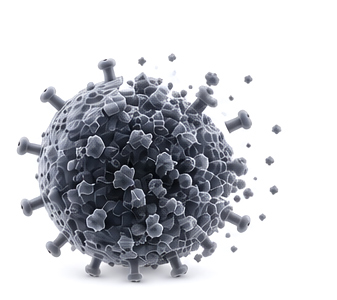
4: Microbe Inactivated
The microorganism can no longer replicate which renders them harmless.
Far-UVC Safety in Occupied Spaces
The safety profile of ultraviolet light depends heavily on wavelength and exposure level. Traditional germicidal UV systems operating at higher wavelengths are generally intended only for use in unoccupied spaces because direct exposure can damage skin and eyes.
Far-UVC light at 222 nm behaves differently.
Research has shown that 222nm Far-UVC light cannot penetrate the outer dead-cell layer of skin, known as the stratum corneum, or the protective tear layer covering the eye. This limited penetration depth enables properly engineered Far-UVC systems to operate continuously in occupied indoor environments within established exposure guidelines.
Visium’s Far-UVC systems are UL 8802 certified for continuous use in occupied spaces and are designed to operate well within the established exposure guidelines published by the American Conference of Governmental Industrial Hygienists (ACGIH). UL 8802 is a safety standard specifically developed for germicidal ultraviolet systems intended for operation in occupied indoor environments.
This distinction represents a significant advancement in ultraviolet disinfection technology and allows Far-UVC systems to provide continuous environmental treatment in active indoor spaces.
Far-UVC
Effectiveness Against Bacteria & Viruses
Far-UVC technology has been shown to effectively inactivate a broad range of airborne and surface microorganisms, including bacteria and viruses.
Unlike many traditional disinfectants that rely on chemical interaction or surface contact, ultraviolet light works by disrupting the DNA and RNA of microorganisms, preventing them from replicating and spreading.
Independent third-party testing of Visium systems has demonstrated up to 99.9% reduction of select bacteria and viruses under controlled testing conditions. Published research on 222nm Far-UVC has also demonstrated rapid inactivation of airborne bacteria (Staphylococcus aureus) in a room-sized environment, reinforcing its potential role in continuous environmental microbial reduction. Source: Eadie et al, 2022.
Because Far-UVC technology works continuously, it helps address the ongoing reintroduction and accumulation of microbes in occupied indoor spaces throughout the day. With UV light, microorganisms can be reduced by up to 99.9% repeatedly in a time and cost effective manner [1].
Independent Visium testing demonstrates up to 99.9% effectiveness against a broad range of bacteria and viruses. See the data here.
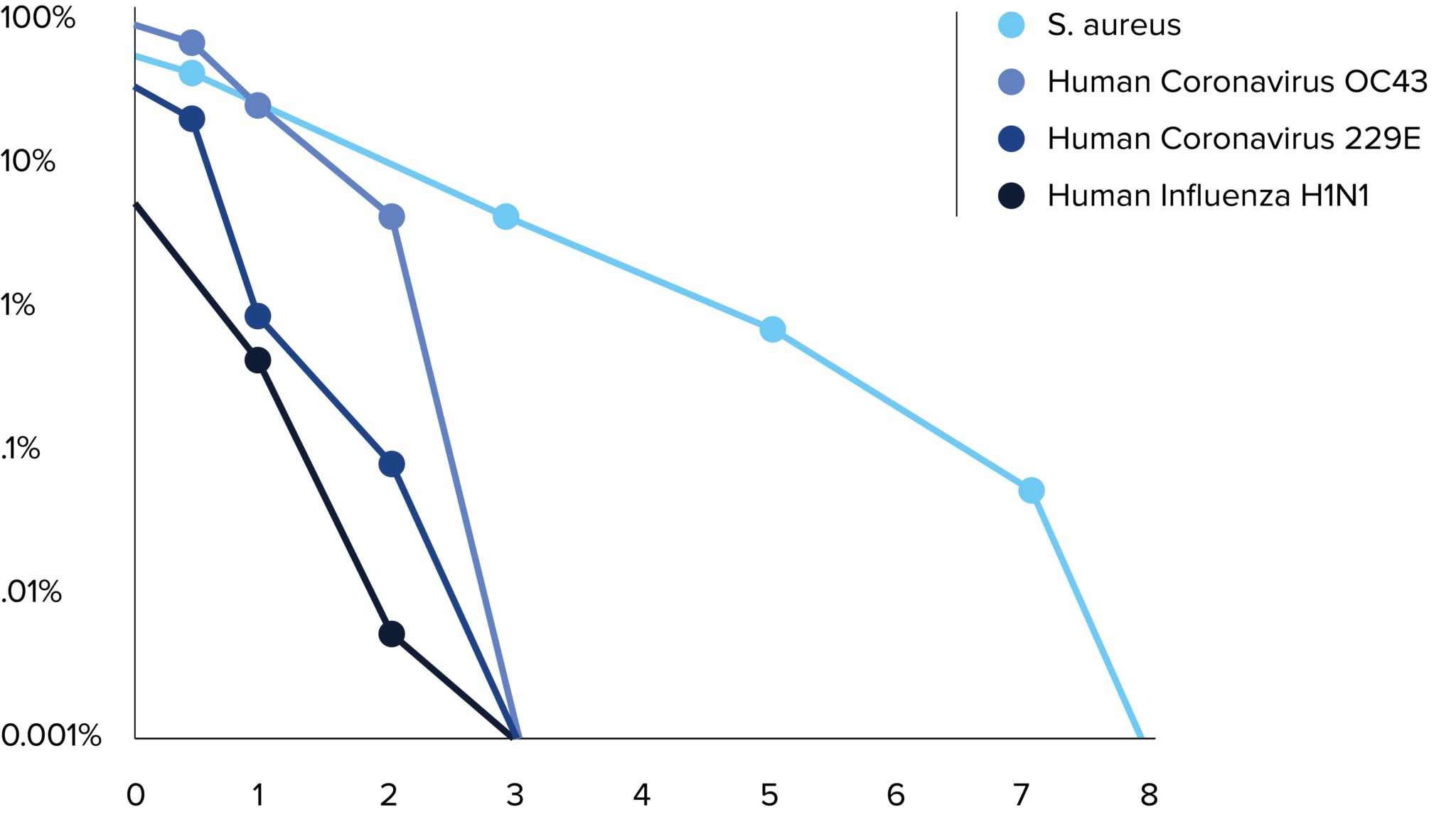
Dose (Unit: mJ/cm²) — [2]
Citations
1) Far UVC Efficacy and Safety- Hessling, M., Haag, R., Sieber, N., and Vatter, P. (2021). The impact of far-UVC radiation (200-230 nm) on pathogens, cells, skin, and eyes – a collection and analysis of a hundred years of data. GMS hygiene and infection control, 16, Doc07. https://doi.org/10.3205/dgkh000378
2)Far UVC Efficacy Example – Eadie, E., Hiwar, W., Fletcher, L. et al. Far-UVC (222 nm) efficiently inactivates an airborne pathogen in a room-sized chamber. Sci Rep 12, 4373 (2022). https://doi.org/10.1038/s41598-022-08462-
Why Far-UVC Matters for Indoor Air Quality
Traditional cleaning and disinfection methods remain important, but contamination can begin to reaccumulate almost immediately after manual cleaning events.
Far-UVC technology helps address this gap by continuously reducing microorganisms in the airb and on surfaces throughout the day when people are present.
Applications for Far-UVC technology include:
- Child care centers
- Schools and universities
- Offices and commercial buildings
- Restaurants and hospitality environments
- Sports and fitness facilities
- Veterinary and agricultural environments
- Transportation hubs and public spaces
By continuously treating the environment in real time, Far-UVC technology helps support cleaner shared indoor spaces without changing how people work, move, or interact. To learn more about Visium and how its helping to improve indoor environments, check out our Case Studies.

Scientific Research on Far-UVC
A growing body of peer-reviewed research supports the role of 222nm Far-UVC technology in reducing microbial burden in occupied indoor environments.
A VA-led study published in the journal Infection Control & Hospital Epidemiology demonstrated that Visium ceiling-mounted Far-UVC technology significantly reduced MRSA contamination on surfaces in a simulated operating room environment. Researchers observed reductions of up to 99.9% on multiple operating room surfaces during continuous operation. To read the study, click here.
The study reinforces the potential role of continuous Far-UVC technology as an environmental intervention in healthcare settings where contamination can rapidly reaccumulate between standard cleaning cycles.
Additional published studies, including a 2022 study by Eadie et al., have demonstrated the ability of Far-UVC technology to efficiently inactivate airborne bacteria in room-sized environments, supporting its growing role in indoor air quality and Infection Prevention strategies. To watch a brief video on the findings of this study, click here.
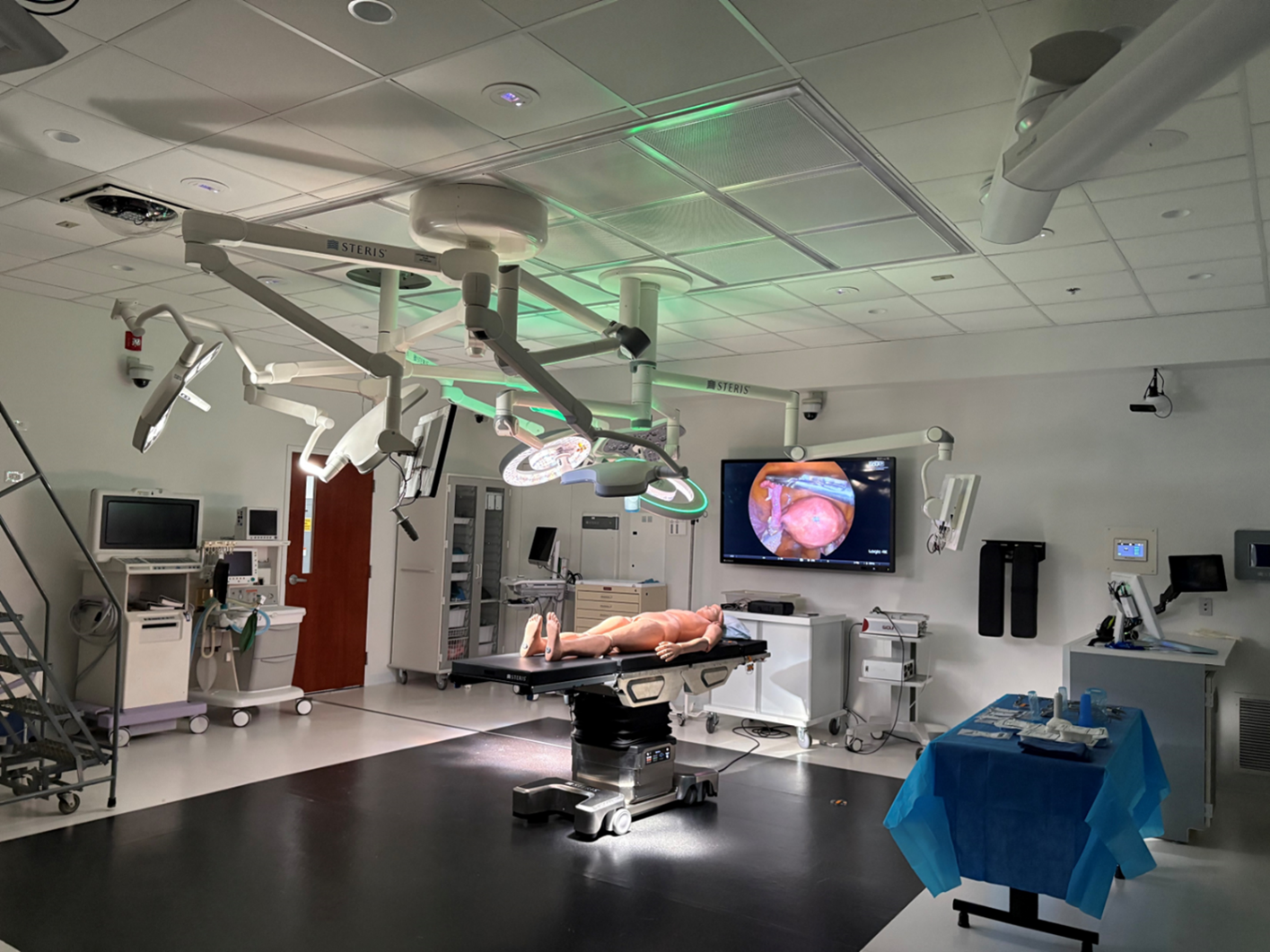
Neutralizing Airborne Risks with the Power of Light.
Clean, quiet, and chemical-free, Visium can continuously and safely inactivate microbes in the air and on surfaces using the power of Far-UVC light.