

CASE STUDY
The Minnesota Zoo Deploys Apex to
Safeguard Health of Animals
Investing in continuous Far-UVC fixtures to reduce bioburden in critical animal care environments.
OVERVIEW
The Minnesota Zoo is a beloved accredited zoo and animal conservation program. Spanning 500 acres, the zoo cares for nearly 5,000 animals in carefully maintained facilities.
Animal long-term health and species longevity are core to their mission and supported through the work of dedicated medical personnel and staff who carry out routine and emergency care on-site.
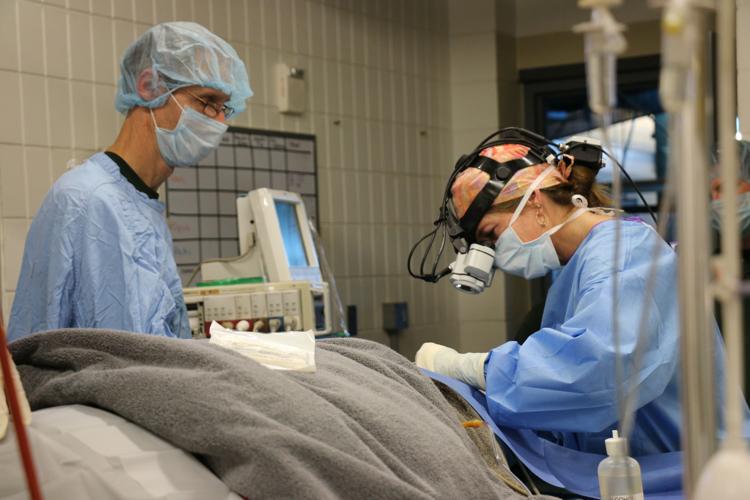
The Minnesota Zoo sought a retrofit solution to improve building hygiene in their surgical suite.
THE CHALLENGE
Traditional terminal cleaning methods leave gaps in sanitation between cleaning sessions, allowing germs to accumulate on high-touch surfaces. With the addition of Far-UVC air and surface treatment, bioaerosols and surface microbes can be inactivated continuously, leading to lower risk interactions for staff and animals.
Our Solution:
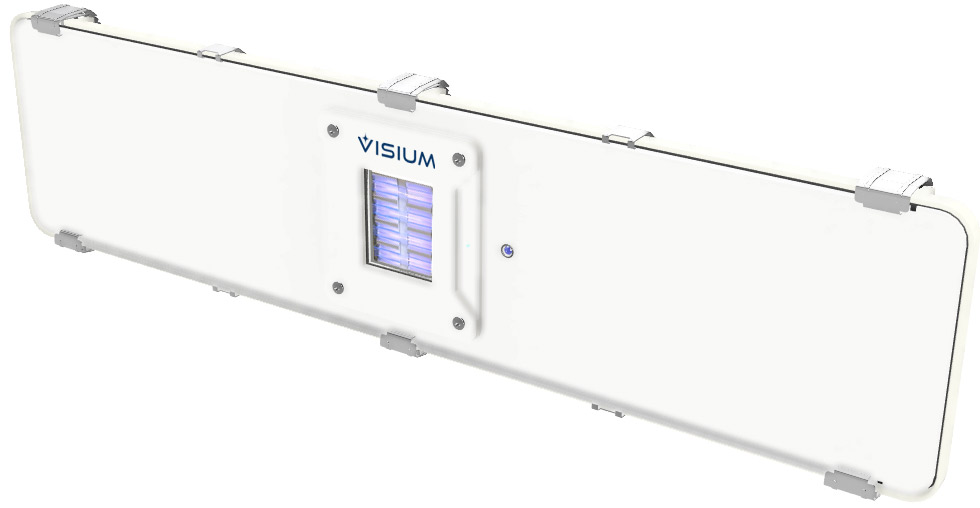
Apex Far-UVC Sealed Fixtures
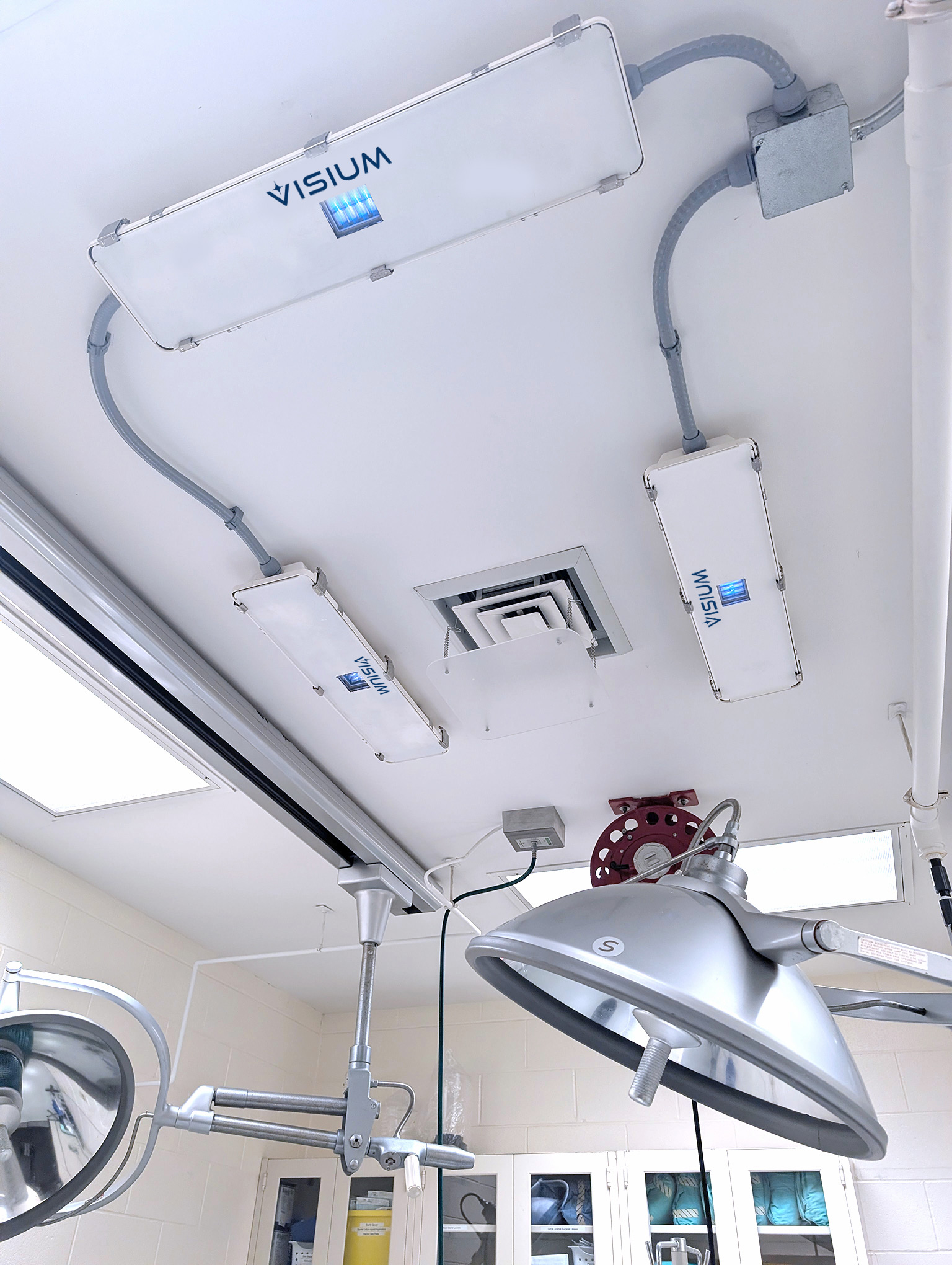
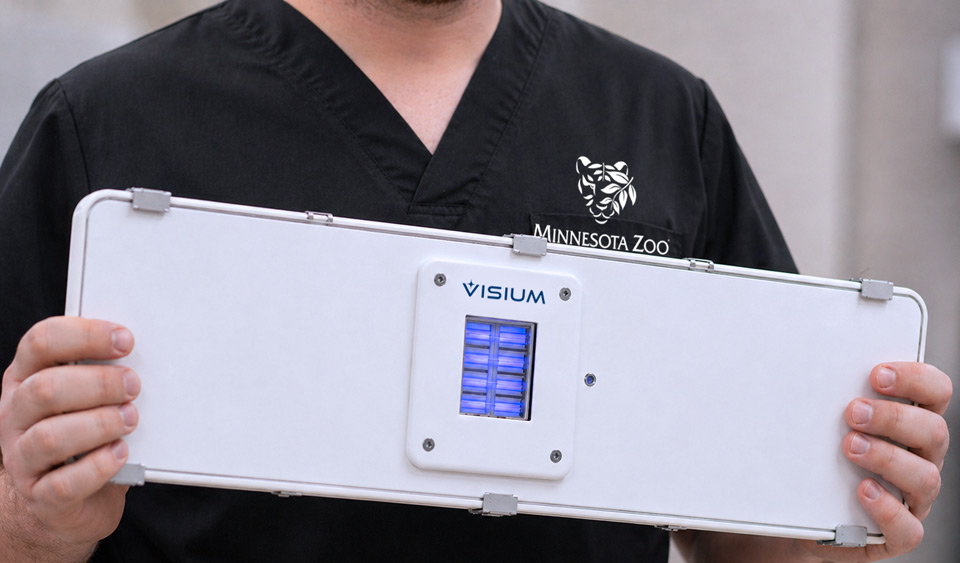
Three Apex devices were installed above the operating table, covering the floor, equipment and working area. Far-UVC continuously inactivates bioaerosols and surface bioburden, covering the 225 sqft of the operating suite.


Third-Party Test Results
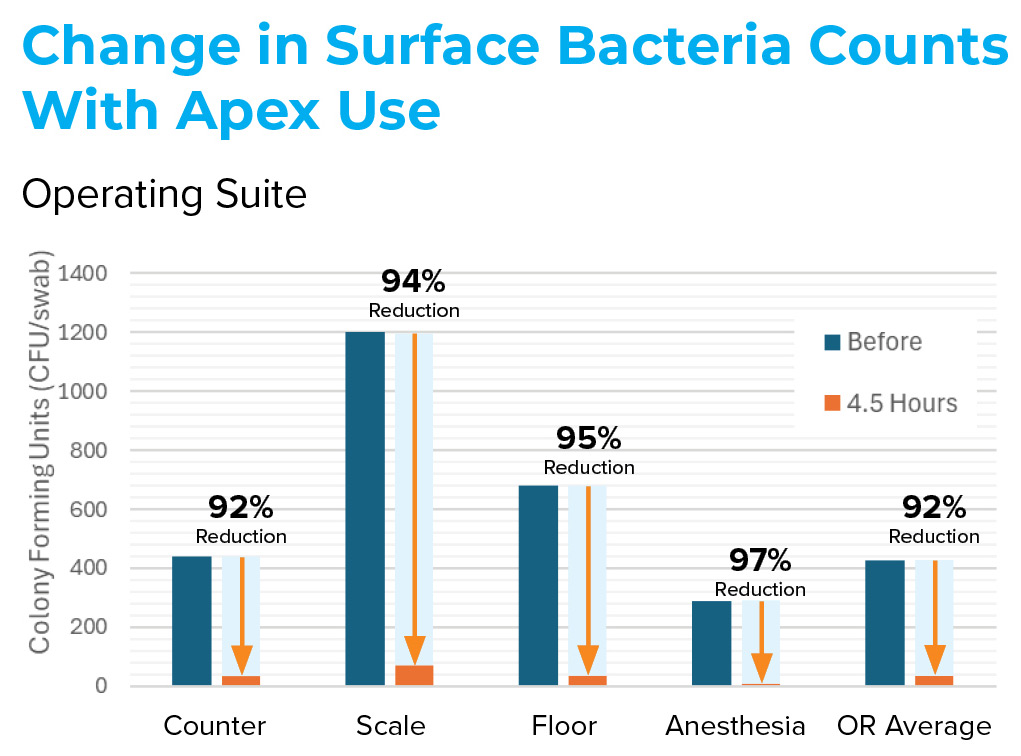
Sampling taken of high touch surfaces in the Operating Room looked for changes in bioburden before and after Apex use. Samples were collected same day from the same surfaces while staff actively accessed the room.
Eight surfaces were swabbed for comparison and quantification by an independent test lab, US Micro Solutions. Apex devices were off prior to sampling. Baseline samples were taken and then the Apex devices turned on while the rooms were actively used. Sampling was repeated 4.5 hours later.
Results showed that Apex reduced the bacterial abundance on high touch surfaces up to 97% lower than without Far-UVC. The reduction on the animal scale is notable, as the surface is textured and wiped down after each use. Apex was able to reduce bioburden in the crevasses better than wipe down alone. The operating table was an outlier, with nearly sterile swab results, indicative of a well-kept facility.
On average, the operating suite had 92% less bioburden in just 4.5 hours of Apex use.
Outcome
Apex was easily retrofitted into an existing operating suite and able to provide meaningful bioburden reduction verified by biological sampling.
Samples collected from the facility were independently analyzed and demonstrated bacterial reduction with consistent Apex use
Up to 97% reduction of colony forming units (CFUs), even with active use of the operating suite
Continuous Apex use created a new, lower bioburden level on surfaces compared to pre-Apex levels
Conclusion
The Minnesota Zoo’s commitment to animal care and environmental safety is of the highest order. Their mission of conservation is seen in the dedication of their staff and volunteers, as well as their continued efforts to improve animal well-being through infrastructure.
This installation is part of a medical facility improvement campaign ahead of the construction of a new building. Apex was able to meet and exceed their expectations to improve air quality and surface sanitation of their current facility and push forward their goal of optimal animal health.
“As a veterinary team performing surgery in the complex environment of a zoo, we’re always looking for ways to reduce risk for our animals and our people. The results of this study suggest that continuous Far-UVC air and surface treatment may offer potential benefits in supporting a cleaner surgical environment, and we look forward to seeing additional research in this area.”
Annie Rivas, DVM, DACZM
Director of Animal Health
Partner With Us
We are actively working with new facilities that want to understand what continuous sanitization can do in their own environment.
If your organization is exploring ways to improve indoor environmental quality and reduce pathogen risk, we welcome the opportunity to collaborate. Our team will assess your space, recommend an appropriate Visium solution, and support your deployment to help generate real world results tailored to your facility.