
Hantavirus Outbreaks Highlight the Need for Continuous Environmental Hygiene Technologies
Recent attention surrounding hantavirus outbreaks serves as another reminder that infectious disease risks extend beyond traditional healthcare settings and that environmental hygiene remains a critical part of public health infrastructure.

Dr. Janet Price
Visium Chief Science Officer
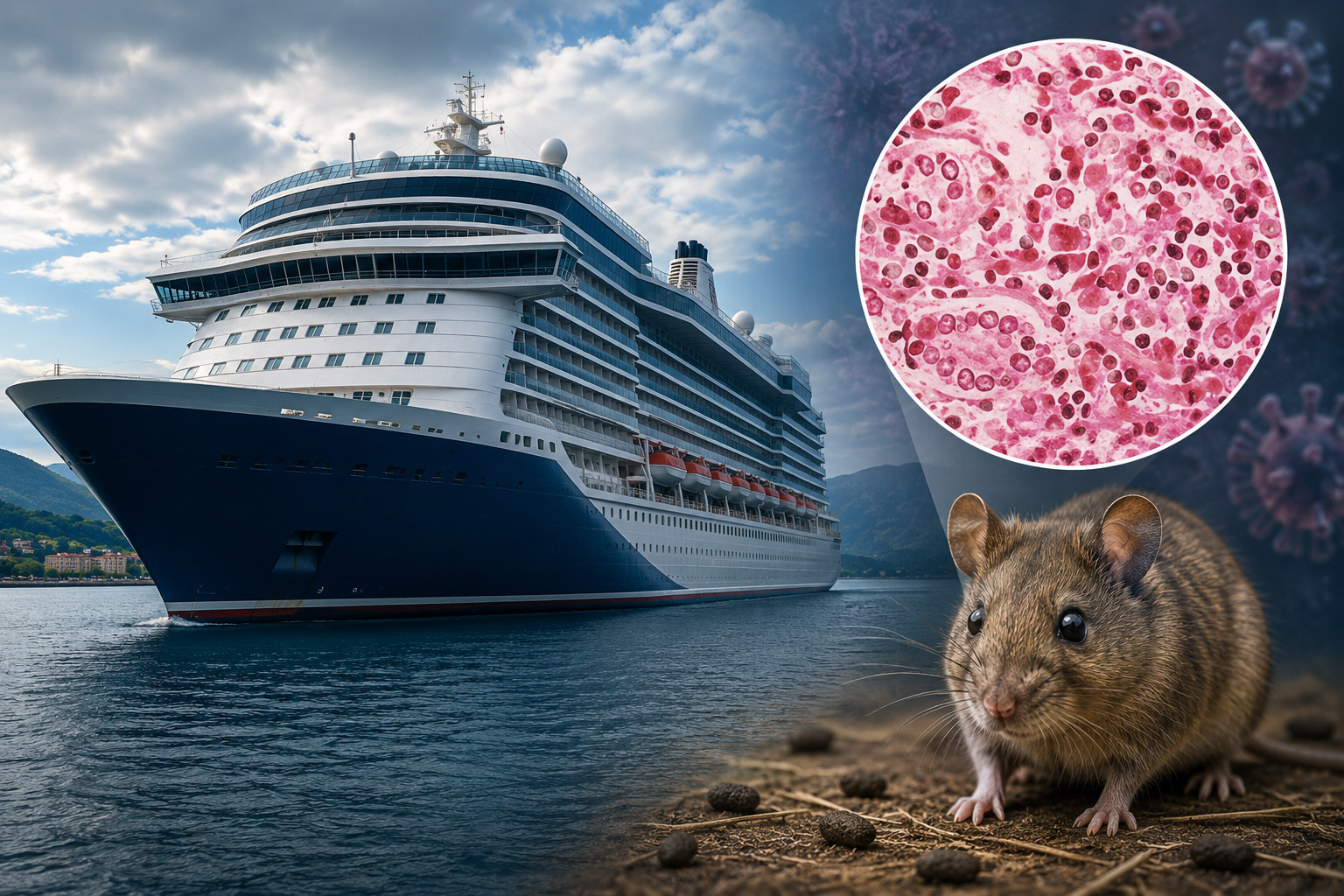
Hantavirus is a rare human pathogen that can potentially cause a severe respiratory illness from exposure to rodents, rodent droppings, contaminated surfaces, and aerosolized particles. Early symptoms often resemble the flu but can rapidly progress into serious respiratory distress and life-threatening complications.
While hantavirus itself is uncommon, outbreaks reinforce a broader concern shared about many pathogens: contaminated indoor air and surfaces can contribute to transmission risk in occupied environments.
How Far-UVC Technology Supports Continuous Pathogen Reduction
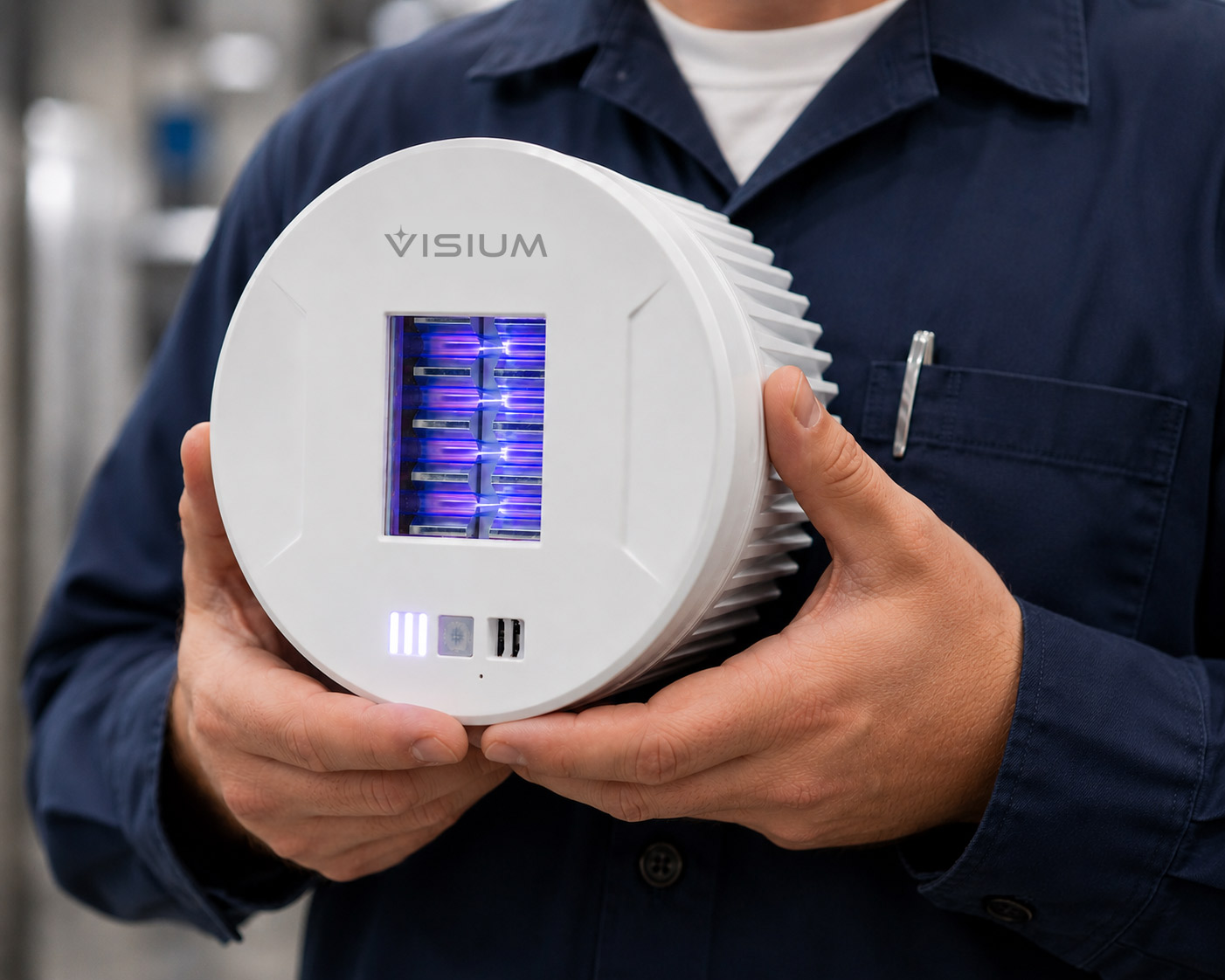
Far-UVC technology is an environmental control approach designed to continuously reduce airborne and surface pathogens in occupied spaces. Unlike traditional UV-C systems that are typically used only in unoccupied rooms, Far-UVC systems like Visium are designed for continuous operation while spaces remain active and in use.
Peer-reviewed research has demonstrated that Far-UVC can rapidly inactivate aerosolized viruses and reduce microbial contamination on surfaces.
Recent quantitative risk modeling completed at the University of Arizona quantified the real-world impact of Far-UVC technology on airborne infection risk in occupied indoor environments. Researchers evaluated multiple common settings including a hospital waiting room, commercial waiting area, open office, and lecture hall.
The study found that Visium Far-UVC reduced modeled airborne infection risk by approximately 17x to nearly 30x after just 15 minutes of operation, depending on the environment. The findings reinforce the growing role of Far-UVC as a continuous, passive environmental control technology for indoor spaces.
Read the University of Arizona study overview
In addition to airborne pathogen reduction, Visium has also been shown to successfully reduce MRSA contamination on surfaces in a simulated operating room environment. In a VA-led study published in Infection Control & Hospital Epidemiology, ceiling-mounted Visium Far-UVC fixtures significantly reduced MRSA contamination across multiple OR surfaces over continuous operation periods, including high-touch and floor-level areas.
Read the VA-led study
The Far-UVC wavelength used by Visium has been shown effective against RNA viruses similar in structure to hantavirus, including SARS-CoV-2, Influenza A, and RSV. Far-UVC works by disrupting the RNA of pathogens, rendering them unable to replicate.
Continuous Environmental Control for Occupied Spaces
Visium devices are UL 8802 certified for continuous operation in occupied spaces and provide silent, autonomous pathogen reduction in between standard cleaning protocols. By continuously addressing airborne particles and surface contamination, Far-UVC adds another layer of environmental hygiene for shared indoor spaces.
As emerging infectious diseases continue to challenge public health systems, continuous technologies that support cleaner indoor environments may play an increasingly important role across healthcare, transportation, commercial, education, hospitality, and public infrastructure settings.
In the face of evolving microbial threats, Far-UVC represents a new category of built-in environmental control designed to support healthier indoor spaces continuously and unobtrusively.
To learn more about how Visium can support your facility or organization, contact our team to start the conversation. Contact Visium
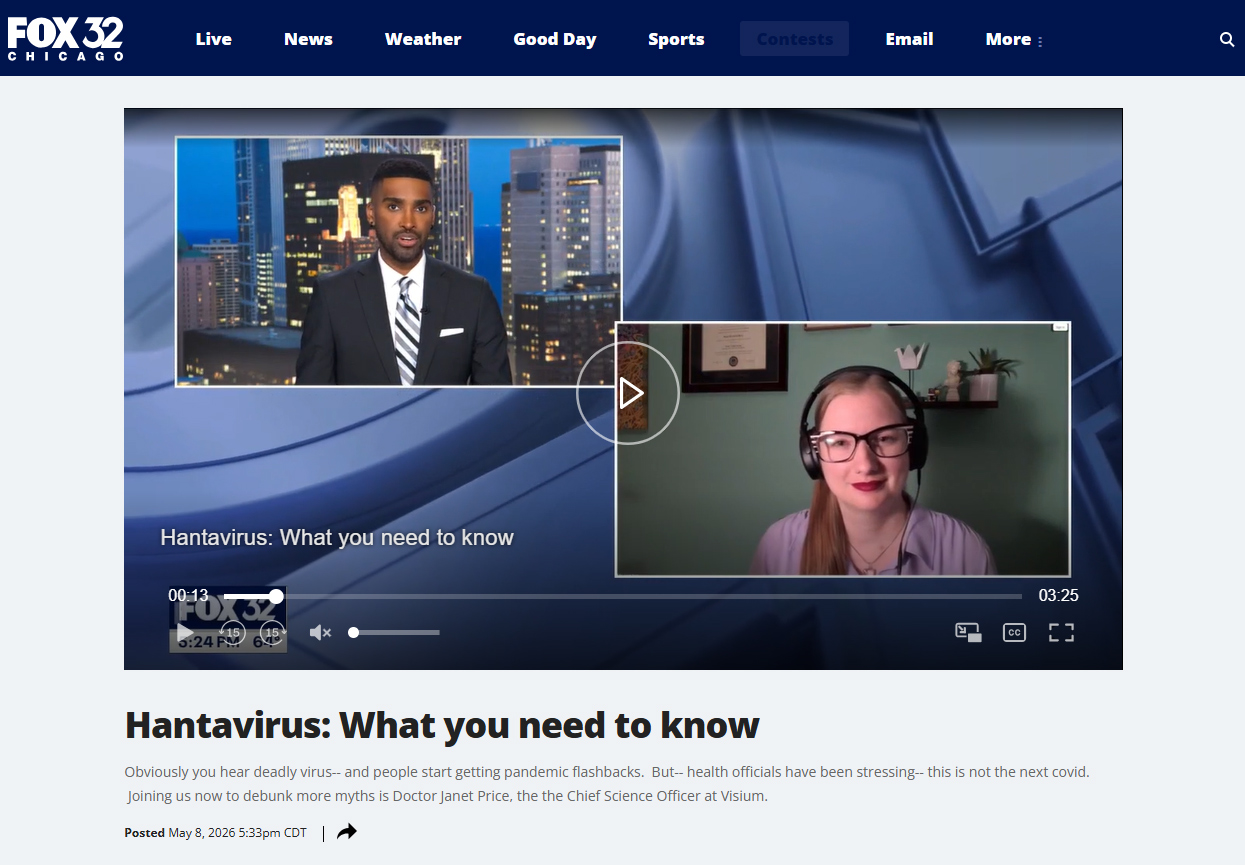
Visium Chief Science Officer Dr. Janet Price joined Fox 32 Chicago to discuss the recent hantavirus outbreak, how transmissible the virus is compared to SARS-CoV-2, and why continuous environmental control technologies like Far-UVC matter in shared indoor spaces. Watch the video here.